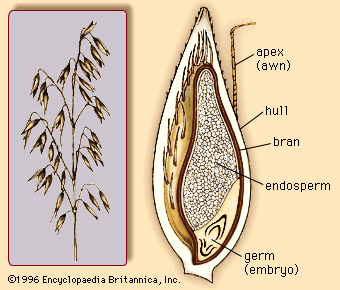
I searched through all my old blogs and was SHOCKED that I hadn't written one dedicated to the food I recommend the most: oat bran. I have certainly referenced oat bran in numerous blogs, but I have never given this amazing food it's own blog article, which was very upsetting to me!
Anyway, I
don’t like the term “super-food”, since no one food is a complete source of
everything you need. However, oat bran is one food that I recommend to every
one of my clients (except for the person with an oat allergy), and if I had to
choose one food to eat the rest of my life for health, it would be oat bran. I
eat oat bran pretty much 7 days out of the week and honestly love it. Not many
people are familiar with oat bran, or may only know about the cold cereal
called oat bran. The oat bran I eat and recommend is a hot cereal that cooks
just like instant oats, about 2 minutes in the microwave or on the stove!
I
first learned about the powers of oat bran in college when I was researching
cholesterol-lowering foods. Study after study shows that oat bran is fantastic
for lowering cholesterol levels in those individuals with high cholesterol,
especially the bad LDL cholesterol, because of the high levels of soluble
fiber. Oat bran is made from outer layer of the oat kernel where most of the
fiber and healthy fats reside.
Oat bran works to lower cholesterol
and even out blood sugar levels because of its high level of beta-glucan (soluble)
fiber. When ingested, it is estimated that oat bran absorbs 25 times its volume
in liquid, which is one reason why people feel so full after eating it. Personally,
on days I eat oat bran I could go 4-5 hours without being hungry, whereas if I
eat a high fiber cold cereal or a Greek yogurt with whole wheat toast I feel
hungry about two hours later. Another benefit of oat bran is that once in the
stomach, the oat bran forms a gel-like bolus that helps to absorb extra glucose
and fats that are roaming around your stomach. This bolus then makes its way
through your system without all the sugar and calories being absorbed.
Ounce for ounce, oat bran is higher in
fiber, protein, most B vitamins, healthy fats, iron, and many other vitamins
and minerals when compared to old fashioned rolled oats. Personally, I like the
texture better since it is finer and more like a cream of wheat consistency
(which basically has no nutritional value!). Oat bran is also super cheap, especially if you buy it in bulk. You will be saving lots of money by subbing cereal boxes for the oat bran, and may save even more money by potentially lowering the dose of your cholesterol meds (or preventing the need to go on them!).

Below are some facts and suggestions about oat bran:

Below are some facts and suggestions about oat bran:
Nutrition facts (based on 1/3 c
dry or 40 g): 130
calories, 3 g fat, 24 g carb (3 g soluble fiber & 3 g insoluble fiber), 1 g
sugar, 7 g protein
Where to buy: The bulk bins at Mom's Market (my preferred source) or at the Head Nut in the Strafford Farmer's Market, or the cereal aisle of most supermarkets (check the
natural food aisle if you can’t find it). Trader Joe's unfortunately has discontinued it! The most common manufacturer of oat bran that you will find in a store is Bob's Red Mill.
Cooking directions: Basically, you need to add
enough liquid for the oat bran to cook, so the total amount of liquid you add
is up to your texture preference. I usually recommend making 1/3 c dry oat bran
with 1 cup of liquid. Stick in a large bowl and microwave for about 2- 2 ½ minutes
(can also cook on stove). Be sure to watch the oat bran as you may need to stop
and stir it halfway through.
How to prepare: I usually make my oat bran with
unsweetened almond milk, unsweetened vanilla hemp milk, or light vanilla
soymilk. I always incorporate at least ½ cup of fruit which is usually a
mixture of banana, apples, and some form of berry (strawberries, blueberries,
or cranberries). At times I have mixed canned pumpkin into my oat bran. I
always add spices such as cinnamon and pumpkin pie spice, honey or agave, and some
form of nut or seed (usually hemp or chia, but sometimes walnuts). Recently I
have also been adding vanilla or unsweetened protein powders (like Garden of
Life RAW).
Other uses: Oat bran can be added to any baked good, and there are thousands of oat bran muffin recipes out there on the internet. You can also add oat bran to smoothies, yogurt, and really wherever else you would add a cereal or seed.
Summary of benefits: First and foremost, oat bran is great for lowering cholesterol (total & LDL) cholesterol, and especially for those with already high cholesterol. Second, oat bran is great for diabetics because of it's ability to slow blood sugar absorption. That being said, it is great for everyone, because it keeps your blood sugar from rising and crashing, which can lead to hunger, irritability, and food cravings. Similarly, oat bran is fantastic for weight loss since it is VERY filling, so should keep you full and satisfied for hours after eating. Overall, oat bran is great for everyone- not just those looking to lower cholesterol or lose weight- since it is an excellent source of fiber, protein, healthy fats, and many vitamins and minerals.
So this weekend, I recommend you go out and buy oat bran. Begin incorporating that into your diet so you know you are starting each day of this holiday season off with a healthy start!!! Because of oat brans powers, you shouldn't be craving the carbs as much in the afternoon, so hopefully it will work to help you avoid those Christmas cookies! ;-)
References:
Picture sources: